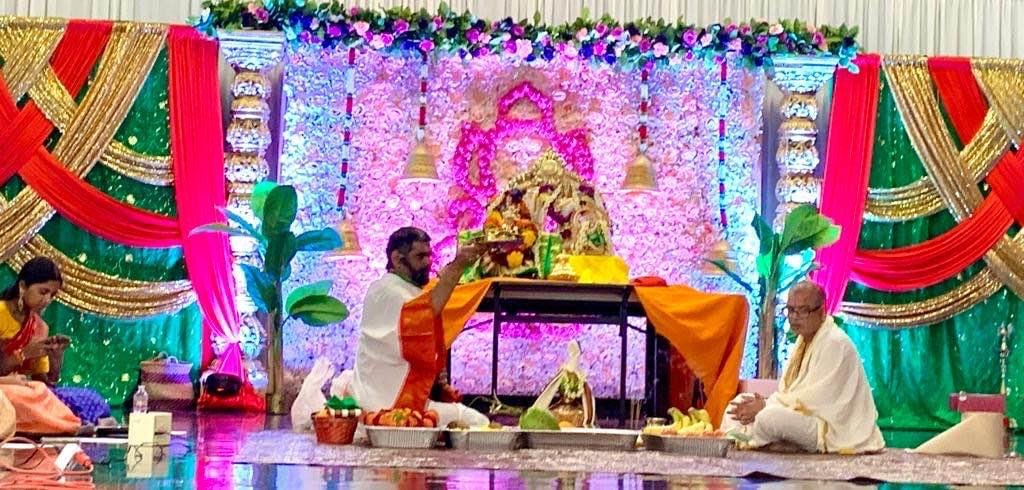
Detailed Gruhapravesam Pooja Items List in Telugu for Housewarming: A Complete Guide
The Gruhapravesam Pooja, or housewarming ceremony, is a sacred Hindu ritual performed when entering a new home. It is a deeply spiritual process that purifies the house, invites divine blessings, and ensures prosperity and peace for the family. For Telugu-speaking families, this ceremony holds great cultural and religious importance, and gathering the right Gruhapravesam Pooja items is key to a successful pooja.
At www.pujaribooking.net, we provide not only expert priests to guide you through the Gruhapravesam Pooja but also offer a complete pooja items list in Telugu to ensure that you are fully prepared for this important occasion. In this article, we will walk you through the essential items needed for the pooja, their significance, and how to organize a successful housewarming ceremony in accordance with Telugu traditions.
Why Gruhapravesam Pooja is Important for Your New Home
In Hindu culture, the Gruhapravesam Pooja is more than just a ceremonial entry into a new home; it is a way to sanctify the space, remove negative energies, and bring peace and prosperity to the residents. This ritual invites the blessings of Lord Ganesha, the remover of obstacles, and Goddess Lakshmi, the deity of wealth and prosperity.
To ensure the success of the ceremony, having a detailed Gruhapravesam Pooja items list is essential. This ensures that every step of the ritual is performed properly, aligning with Vedic principles.
Complete Gruhapravesam Pooja Items List in Telugu for Housewarming Ceremonies
Below is a detailed list of essential items you will need for the Gruhapravesam Pooja in Telugu. These items are organized by their use in various rituals within the ceremony, ensuring that all elements of the pooja are covered.
1. పూజ సామాగ్రి (Pooja Samagri - General Pooja Items)
- కలశం (Kalasha): A sacred copper or brass pot filled with holy water, decorated with మామిడి ఆకులు (mango leaves), and topped with a కొబ్బరి కాయ (coconut). The Kalasha is central to the pooja, representing the presence of divine energy.
- కొబ్బరికాయ (Coconut): Used throughout the pooja, placed atop the Kalasha as a symbol of purity and auspiciousness.
- మామిడి ఆకులు (Mango Leaves): Placed around the Kalasha and other parts of the pooja setup, symbolizing growth and prosperity.
- పసుపు (Turmeric): Used for purification and sanctification in multiple steps of the pooja.
- కుంకుమం (Kumkum): Applied on idols, Kalasha, and during rituals to signify divine blessings.
- చందనం (Sandalwood Paste): Used to mark deities, the Kalasha, and pooja items for purity.
- అక్షతాలు (Rice Grains): Symbolizes prosperity and is used in various offerings throughout the pooja.
- పూలు (Flowers): Fresh flowers, typically jasmine and marigold, offered to the deities during the pooja.
- పాన పత్రాలు మరియు అక్కులు (Betel Leaves and Betel Nuts): Essential offerings used throughout the pooja.
- కర్పూరం (Camphor): Burned during the aarti to signify the removal of negativity and darkness.
- నెయ్యి (Ghee): Used during the హవనం (havan) or sacred fire ritual as an offering.
- అగర్భత్తి (Incense Sticks): Burned during the pooja to purify the air and invoke divine presence.
- దీపం (Oil Lamp): A diya or oil lamp is lit to signify purity and is used during the aarti.
- ప్రసాదం (Prasadam - Food Offerings): Includes fruits, sweets, and rice, offered to the deities and later distributed to the attendees.
- మోడకాలు లేదా లడ్డు (Modak or Ladoo): Offered especially to Lord Ganesha during the pooja.
2. కలశ స్థాపన (Kalasha Sthapana - Installation of the Sacred Pot)
- కలశం: The sacred pot is filled with water and topped with a coconut, surrounded by mango leaves to invoke divine presence.
- నాణేలు (Coins): Silver or gold coins are often placed inside the Kalasha to symbolize wealth and prosperity.
- పసుపు వేరు (Turmeric Root): Placed in the Kalasha to symbolize purity.
- రక్షా సూత్రం (Thread): A sacred thread tied around the Kalasha to protect the home and its occupants.
3. వినాయక పూజ (Ganapathi Pooja - Worship of Lord Ganesha)
- వినాయకుడి విగ్రహం లేదా చిత్రం (Lord Ganesha Idol or Image): Worshipped at the beginning of the pooja to remove obstacles and ensure success.
- మోడకాలు (Modak): Special sweet offering to Lord Ganesha, as it is considered his favorite.
- దర్భ గడ్డి (Durva Grass): Offered to Lord Ganesha during the ritual as a mark of respect.
- వేల్ప్పల పండు (Banana): A fruit offering made during the pooja to Lord Ganesha.
4. నవగ్రహ పూజ (Navagraha Pooja - Worship of the Nine Planets)
- నవగ్రహ విగ్రహాలు (Navagraha Idols or Images): Small representations of the nine planetary deities that are worshipped during the pooja.
- నవధాన్యం (Navadhanya - Nine Grains): Different grains used to represent each of the nine planets and offered during the pooja.
- వివిధ రంగు బట్టలు (Colored Cloth): Each planet is associated with a specific color cloth that is offered during the Navagraha Pooja.
5. వాస్తు శాంతి పూజ (Vastu Shanti Pooja - Harmonizing with Vastu)
- నవధాన్యం (Navadhanya): Nine grains symbolizing balance and harmony in the home, used during the Vastu Shanti Pooja.
- తీర్థం (Holy Water): Water from a sacred river or temple is used to sprinkle around the house for purification.
- కావు గడ్డి (Kusha Grass): Traditionally used in the Vastu Shanti Pooja for purifying the space and aligning the home with natural energies.
6. హవనం (Havan - Sacred Fire Ritual)
- హవన్ కుండం (Havan Kund): A sacred fire pit used during the హవనం, or fire ritual, which purifies the house.
- నెయ్యి (Ghee): Used as an offering in the fire during the havan.
- విరి చsticks (Wood Sticks): Placed in the fire to maintain it during the havan.
- హవన్ సమగ్రి (Havan Samagri): A mixture of herbs, rice, and ghee offered into the fire as a sacred offering.
- కర్పూరం: Camphor is used to ignite the sacred fire during the havan.
7. ప్రసాదం మరియు నివేద్యం (Prasadam and Offerings)
- పండ్లు (Fruits): Seasonal fruits such as bananas and apples are offered to the deities.
- తయారు చేసిన భోజనం (Cooked Rice): Traditional offering made to the deities and shared as prasadam after the ceremony.
8. ఆర్తి వస్తువులు (Aarti Items)
- పిత్తల పళ్ళెం (Brass Plate): Used to hold the దీపం (lamp) and కర్పూరం (camphor) during the final aarti.
- కర్పూరం: Burned for the aarti, symbolizing the offering of light to the gods.
- దీపం: The oil lamp used in the aarti to conclude the pooja with blessings and divine protection.
Gruhapravesam and Vratham Puja List for NRIs
The Gruhapravesam (housewarming) and Vratham (rituals) Puja list for NRIs is an essential guide for conducting these auspicious ceremonies, especially for those living away from India. These ceremonies are deeply rooted in tradition and symbolize the beginning of a new chapter in one's life with blessings, prosperity, and positivity.
Essential Items for Gruhapravesam
- Turmeric and Kumkum: These are essential for invoking the blessings of the gods.
- Coconut and Betel Leaves: Used in various rituals to signify purity and prosperity.
- Flowers: Fresh flowers for decorating the puja space and for offering to deities.
- Fruits: Generally bananas, apples, and oranges for offering.
- Camphor and Incense Sticks: To purify the environment with their fragrant smoke.
- Oil Lamps and Wick: For lighting the traditional lamp to welcome positive energy.
- Puja Thali: A decorated plate for organizing all the puja items.
Core Components of Vratham Puja
- Sankalpam: The initial vow where the devotee declares the purpose and desire for performing the vratham.
- Kalasha Sthapana: Placing a sacred pot filled with water, decorated with mango leaves and a coconut on top.
- Ashtottara Shatanamavali: Chanting the 108 names of the deity with devotion.
- Naivedyam: Offering specially prepared food to the deity.
- Aarti: Waving a lit lamp in a circular motion in front of the deity as a form of worship.
Preparing for the Ceremony
- Clean the House: Thoroughly clean and decorate the home to welcome divine blessings.
- Arrange a Puja Mandapam: Set up a clean and sanctified space for conducting the puja.
- Get Puja Samagri: Ensure all puja items are procured in advance, including the ones mentioned above.
- Invitation to Family and Friends: It is customary to invite near and dear ones to partake in the ceremony.
Conducting the Rituals
- Start with Ganapati Puja: Always commence the rituals by invoking Lord Ganesha to remove any obstacles.
- Group Chanting: Chanting mantras or singing hymns collectively enhances the spiritual ambiance.
- Abhishekam: Perform a holy bath of the deity idols with milk, yogurt, honey, and water.
- Special Homam: Conduct a sacred fire ritual (havan) to purify and energize the surroundings.
Additional Tips for NRIs
- Virtual Assistance: Engage a priest online if conducting rituals in person is not possible.
- Local Alternatives: Find local substitutes for traditional items if unavailable.
- Combine Ceremonies: For convenience, it's common to combine Gruhapravesam with other significant rituals like Satyanarayan Puja.
By following this detailed Gruhapravesam and Vratham Puja List, NRIs can successfully perform these sacred ceremonies and infuse their new homes with positive energy and blessings from deities, despite being far from their homeland.
How to Prepare for a Successful Gruhapravesam Pooja
To ensure that your Gruhapravesam Pooja is successful and spiritually fulfilling, here are a few tips:
1. Hire a Qualified Telugu Priest
It is essential to have a knowledgeable priest who is experienced in performing Telugu rituals to lead your Gruhapravesam Pooja Vidhanam. At www.pujaribooking.net, you can easily book a Telugu-speaking priest to guide you through the ceremony, ensuring that each ritual is performed according to tradition.
2. Select an Auspicious Date
Choosing an auspicious date based on Hindu astrology is key to the success of the Gruhapravesam Pooja. Consult a priest or astrologer to find the best date for the housewarming ceremony.
3. Prepare the House
Ensure that your home is clean and decorated with fresh flowers and traditional rangoli at the entrance. Arrange the pooja items beforehand to avoid any last-minute rush.
4. Gather All Pooja Items in Advance
Having all the pooja items ready before the ceremony begins will ensure that the rituals flow smoothly. Refer to this detailed list to ensure you have everything you need.
How Useful Have Readers Found the Gruhapravesam and Vratham Puja List for NRIs Document?
Feedback from readers indicates mixed reactions to the "Gruhapravesam and Vratham Puja List for NRIs" document. Here are some insights:
-
Usefulness:
- Some readers have marked the document as highly useful, highlighting its comprehensiveness and clarity in detailing the rituals and requirements for the ceremonies.
- They particularly appreciated the step-by-step guidance and cultural context provided, which is beneficial for NRIs unfamiliar with the traditional practices.
-
Areas for Improvement:
- A portion of users found the document less useful or incomplete. They cited areas such as the inclusion of more visual aids or a deeper explanation of certain rituals as potential improvements.
-
Suggestions from Users:
- Adding more detailed lists of items required for the puja.
- Including translations and phonetic guides for Sanskrit chants.
Overall, while the document has been beneficial for several readers, there’s room for enhancement to increase its utility for a broader audience.
How to Book a Priest for Your Gruhapravesam Pooja
Booking a Telugu priest near me for the Gruhapravesam Pooja is easy with www.pujaribooking.net. Our platform connects you with qualified priests who specialize in housewarming ceremonies and other Hindu rituals. Here’s how to book:
1. Visit www.pujaribooking.net
Search for qualified priests in your area who are experienced in performing the Gruhapravesam Pooja.
2. Search for Gruhapravesam Pooja Services
Enter your location and choose Gruhapravesam Pooja to view available Telugu priests near you.
3. Compare Pricing and Availability
We offer transparent pricing, allowing you to compare rates and choose a priest that fits your budget. Check availability for your desired date.
4. Book Your Priest Online
Once you’ve selected a priest, you can book the ceremony online by selecting the date, time, and type of service. You’ll receive a confirmation email with all the details.
Conclusion
The Gruhapravesam Pooja is an essential ritual that brings peace, prosperity, and divine blessings to your new home. By following this detailed Gruhapravesam Pooja items list in Telugu and booking an experienced Telugu priest through www.pujaribooking.net, you can ensure that your housewarming ceremony is successful and spiritually enriching.
Visit our website today to book the perfect Telugu priest for your Gruhapravesam Pooja and ensure that your new home is filled with positive energy and blessings.