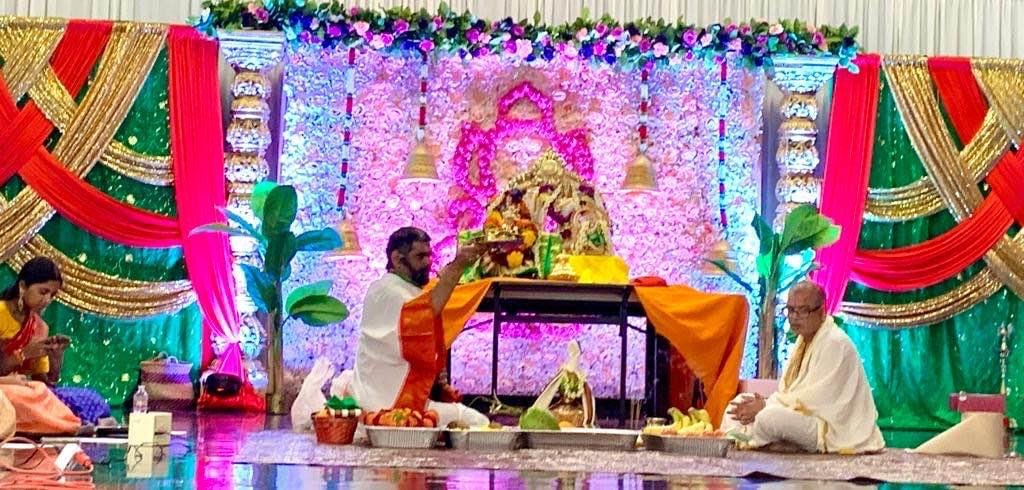
Complete Gruhapravesam Pooja Items List in Kannada for Housewarming: Traditional Rituals for a New Home
The Gruhapravesam Pooja, or housewarming ceremony, is one of the most important Hindu rituals when moving into a new home. It purifies the house, wards off negative energies, and invites the blessings of deities for peace, prosperity, and happiness. If you're preparing for a Gruhapravesam Pooja and speak Kannada, it’s crucial to have a complete list of pooja items in Kannada to ensure that the ritual is performed accurately.
At www.pujaribooking.net, we provide a full range of services to help you with your housewarming ceremony, including booking qualified priests and preparing a complete Gruhapravesam Pooja items list in Kannada. This guide will cover everything you need for the pooja, how to organize it, and its significance in Kannada culture, ensuring a smooth and spiritually enriching event.
Importance of Gruhapravesam Pooja in Kannada Culture
The Gruhapravesam Pooja is not just a traditional housewarming event; it is a deeply spiritual practice that ensures the sanctity of your new home. In Kannada culture, performing this pooja aligns the home with cosmic energies and invites Lord Ganesha and Goddess Lakshmi to bless the home with success and prosperity.
By using a complete Gruhapravesam Pooja items list in Kannada, you can perform the ceremony with confidence, ensuring that all rituals are followed according to Vedic and Kannada traditions. A successful pooja brings peace, well-being, and positive energy into the home, making it a harmonious living space for you and your family.
Complete Gruhapravesam Pooja Items List in Kannada for Housewarming Ceremonies
Below is a detailed list of essential items required for the Gruhapravesam Pooja. These items play a significant role in various rituals and steps of the ceremony. Gathering all the necessary items in advance ensures that your housewarming pooja runs smoothly and successfully.
1. ಪೂಜಾ ಸಾಮಾಗ್ರಿ (Pooja Samagri - General Items)
- ಕಲಶ (Kalasha): A sacred copper or brass pot filled with holy water, mango leaves, and a coconut. The Kalasha symbolizes the presence of divine energy and is a central part of the pooja.
- ತೆಂಗಿನಕಾಯಿ (Coconut): Used in several stages of the pooja, particularly when placed atop the Kalasha as a sign of purity.
- ಮಾವು ಹಣ್ಣು ಎಲೆಗಳು (Mango Leaves): Used to decorate the Kalasha and in other parts of the pooja setup, symbolizing fertility and growth.
- ಹಾಲದಿ (Turmeric): Used for purification and as a mark of auspiciousness during various steps of the pooja.
- ಕುಂಕುಮ (Kumkum): Applied on deities and sacred items during the pooja to invite divine blessings.
- ಚಂದನ (Sandalwood Paste): Applied on idols and the Kalasha to signify purity.
- ಅಕ್ಷತೆ (Rice Grains): Used in rituals as offerings to the deities, symbolizing prosperity and abundance.
- ಹೂವುಗಳು (Flowers): Fresh flowers like jasmine, marigold, or lotus are offered to the deities during the pooja.
- ಬೀಳಲು ಎಲೆ ಮತ್ತು ಅಡಿಕೆ (Betel Leaves and Areca Nut): Essential items used during the pooja as offerings.
- ಕರ್ಪೂರ (Camphor): Lit during the final aarti to remove negative energy and invite positivity.
- ನೆಣ್ಣೆ (Ghee): Used in the sacred fire during the ಹವನ (havan), a key part of the pooja.
- ಅಗರಬತ್ತಿ (Incense Sticks): Burned to purify the environment and invoke the presence of the gods.
- ದೀಪ (Diya or Oil Lamp): Used throughout the pooja and particularly during the aarti to symbolize the presence of divine light.
- ಪ್ರಸಾದ (Prasadam): Fruits, sweets, and cooked rice offered to the deities, later distributed to family and guests.
- ಮೋದಕ ಅಥವಾ ಲಡ್ಡು (Modak or Ladoo): Offered to Lord Ganesha, as it is considered his favorite sweet.
2. ಕಲಶ ಸ್ಥಾಪನೆ (Kalasha Sthapana - Installation of the Sacred Pot)
- ಕಲಶ: The sacred pot filled with water, topped with a coconut, and decorated with mango leaves, symbolizing the presence of the divine in the home.
- ನಾಣ್ಯಗಳು (Coins): Placed inside the Kalasha to symbolize wealth and prosperity.
- ಹಾಲದಿ ಬೇರು (Turmeric Root): Added to the Kalasha as a symbol of purity.
- ರಕ್ಷಾ ಸೂತ್ರ (Sacred Thread): Tied around the Kalasha to protect the home and its residents.
3. ಗಣಪತಿ ಪೂಜೆ (Ganapathi Pooja - Worship of Lord Ganesha)
- ಗಣಪತಿ ದೇವರ ವಿಗ್ರಹ ಅಥವಾ ಚಿತ್ರ (Lord Ganesha Idol or Image): Worshipped at the beginning of the ceremony to remove obstacles and ensure the success of the Gruhapravesam Pooja.
- ಮೋದಕ (Modak): A sweet offered to Lord Ganesha during the pooja.
- ದರ್ಭ (Durva Grass): Offered to Lord Ganesha as part of the pooja.
- ಬಾಳೆಹಣ್ಣು (Bananas): A fruit offering used during the Ganapathi Pooja.
4. ನವಗ್ರಹ ಪೂಜೆ (Navagraha Pooja - Worship of the Nine Planets)
- ನವಗ್ರಹ ವಿಗ್ರಹಗಳು (Navagraha Idols or Images): Representations of the nine planetary deities worshipped during the pooja to ensure their blessings and reduce malefic planetary influences.
- ನವಧಾನ್ಯ (Navadhanya - Nine Grains): Grains that represent each of the nine planets and are offered during the pooja.
- ಬಣ್ಣದ ಬಟ್ಟೆ (Colored Cloth): Each planetary deity is associated with a specific color cloth used in the Navagraha Pooja.
5. ವಾಸ್ತು ಶಾಂತಿ ಪೂಜೆ (Vastu Shanti Pooja - Harmonizing the Home with Vastu)
- ನವಧಾನ್ಯ (Navadhanya): Nine grains used to balance the energy of the home according to Vastu Shastra.
- ಪವಿತ್ರ ನೀರು (Holy Water): Collected from a sacred river or temple, sprinkled around the home for purification.
- ದರ್ಭಾ ಹುಲ್ಲು (Kusha Grass): Used in traditional Vastu Shanti rituals to purify the house and align it with cosmic energies.
6. ಹವನ (Havan - Sacred Fire Ritual)
- ಹವನ ಕುಂಡ (Havan Kund): The fire pit where the ಹವನ is performed. It is an integral part of the Gruhapravesam Pooja.
- ನೆಣ್ಣೆ (Ghee): Used as an offering to the sacred fire.
- ಸಮಿದಾ ಕಟ್ಟೆ (Wood Sticks): Used in the havan to maintain the sacred fire.
- ಹವನ ಸಮಗ್ರಿ (Havan Samagri): A mixture of sacred herbs, rice, and ghee offered into the fire during the havan.
- ಕರ್ಪೂರ (Camphor): Burned to ignite the havan fire and maintain it.
7. ಪ್ರಸಾದ ಮತ್ತು ನೈವೇದ್ಯ (Prasadam and Offerings)
- ಹಣ್ಣುಗಳು (Fruits): Fruits like bananas and apples offered to the deities.
- ಪಾಯಸ (Payasam or Sweet Dish): A traditional sweet dish offered as prasadam.
- ಅಕ್ಕಿ (Cooked Rice): Cooked rice is offered to the gods as part of the pooja.
8. ಆರತಿ ಸಾಮಾಗ್ರಿ (Aarti Items)
- ಪಿತ್ತಳ ತಟ್ಟಿ (Brass Plate): Used to hold the ದೀಪ (Diya) and ಕರ್ಪೂರ during the final aarti.
- ದೀಪ: The oil lamp used for the aarti, symbolizing divine light and blessings.
- ಕರ್ಪೂರ: Burned during the aarti to complete the ritual with divine protection.
How to Prepare for a Successful Gruhapravesam Pooja
Here are some essential tips to ensure your Gruhapravesam Pooja is successful:
1. Hire a Qualified Kannada Priest
It is essential to have a knowledgeable priest who can guide you through the Gruhapravesam Pooja Vidhanam. At www.pujaribooking.net, you can easily book a Kannada-speaking priest to ensure the pooja is performed according to Kannada traditions.
2. Select an Auspicious Date
Consult a priest or astrologer to select a favorable date for your housewarming ceremony. The right date ensures a smooth and spiritually powerful ceremony.
3. Prepare Your Home
Clean and decorate your home before the ceremony. Set up traditional rangoli at the entrance and gather all pooja items in advance.
4. Gather the Complete List of Pooja Items
Using the complete Gruhapravesam Pooja items list in Kannada, gather all the necessary items before the pooja begins to ensure everything goes smoothly.
How to Book a Priest for Your Gruhapravesam Pooja
At www.pujaribooking.net, we make it easy to book experienced Kannada priests for your housewarming ceremony. Here’s how you can book a priest:
1. Visit www.pujaribooking.net
Visit our website to find qualified Kannada priests for your Gruhapravesam Pooja. We provide profiles of priests near you.
2. Check Availability and Pricing
Compare pricing and check availability for your preferred date. Our platform offers transparent pricing and easy scheduling.
3. Book Your Priest Online
Once you’ve selected a priest, book your ceremony online by selecting the date, time, and service type. You’ll receive a confirmation email with all the details.
Conclusion
The Gruhapravesam Pooja is an essential housewarming ritual that purifies your home and invites divine blessings. By following this complete Gruhapravesam Pooja items list in Kannada and booking an experienced priest through www.pujaribooking.net, you can ensure that your ceremony is successful and spiritually fulfilling.
Visit www.pujaribooking.net today to book the perfect priest for your housewarming and ensure your new home is filled with peace, prosperity, and divine grace.